

BCCI Unveils 2026-27 Home Slate: New-Ball Chaos, Dust-Settled Strategy

Published 2026-11-22 · By Rajat Patel (Lead Cricket Correspondent · Pune Desk)
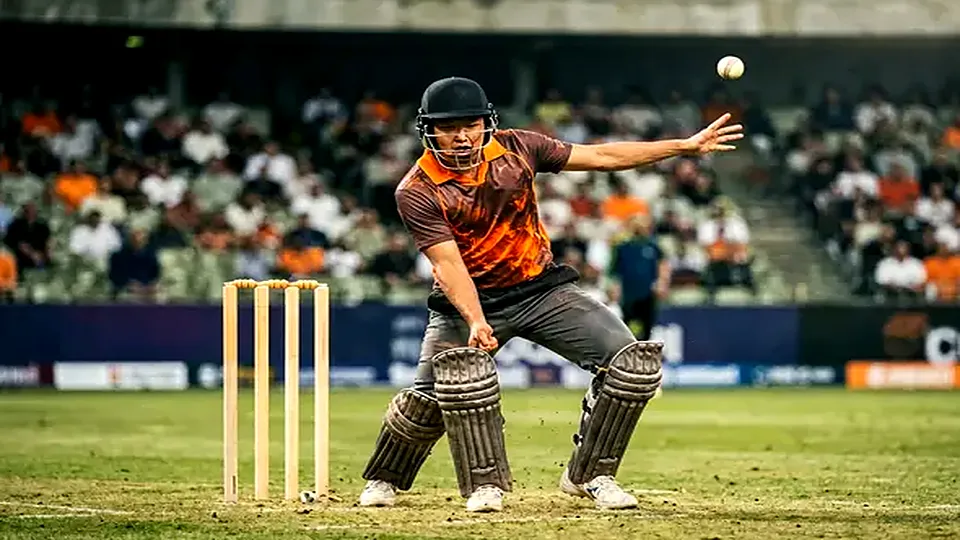
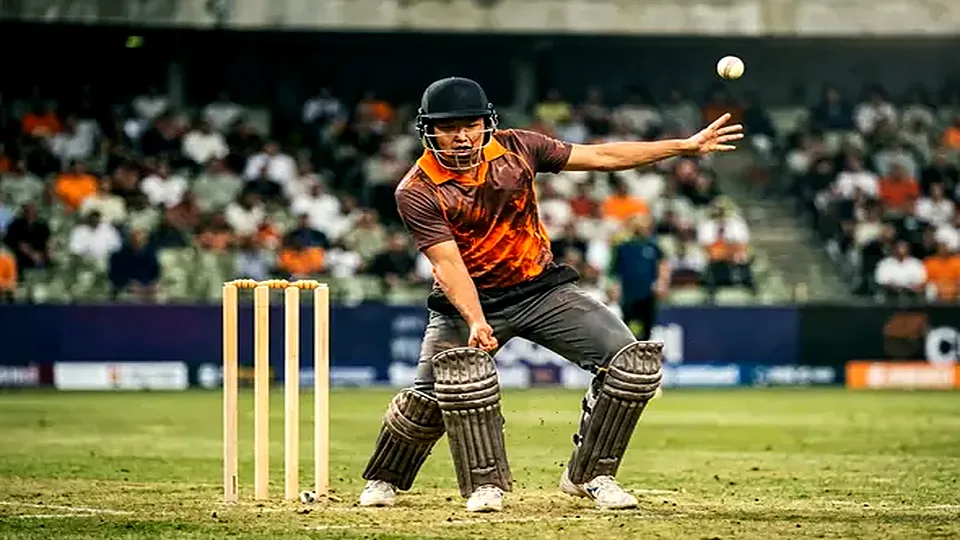
The new ball did the talking on a dry Tuesday in Pune, but the BCCI’s latest fixture announcement says otherwise. They’ve just unveiled the international home calendar for 2026-27, and it reads less like a season plan and more like a stress test for the current squad. No long warm-up tours. No gentle acclimatization periods. The board wants impact players hitting their stride before the winter dust settles on the nets.
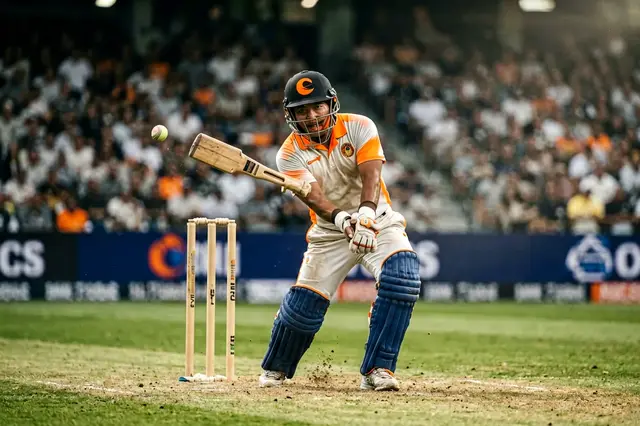
Let’s be blunt: this schedule assumes the dressing-room chatter has moved past the mid-2020s identity crisis. We are supposed to be a side that dominates the new-ball burst, yet the calendar forces early matches on skiddy tracks where reverse swing is the norm. It’s a tactical bet that the middle-overs choke is a thing of the past. I doubt it. Every time the pitch gets hard and dry, we see the same pattern: the batsmen play too early, the bowlers overthink the line, and the boundary-percentage drops into the gutter.
Why the New-Ball Chaos Is the Real Story
The first Test of the season is scheduled against a pace-heavy opposition on a synthetic surface that favors bounce over turn. This is where the 'sticky red-soil track' argument falls apart. If the ball keeps moving sideways, the openers have no room to work the middle stump. The BCCI is essentially gambling that our domestic Ranji grind has produced a new crop of bouncers who can bowl into the pitch without losing their heads. That’s a big ask for players coming off short T20 campaigns.
"If you can't survive the first five overs on a new ball, the next 250 are just a waiting room for the dew factor."
Notice the absence of a mid-season respite? The calendar is packed. Back-to-back home series leave no room for the slow, grinding adjustments that used to define the Indian tour. It’s all about the Impact Player gamble now—swapping a leg-spinner for a fourth pacer in the death overs. But here’s the rub: bowling at the death on hard, skiddy surfaces requires precision, not just pace. If the dew hits after 8:30 PM IST, the ball stops turning, and the fast bowlers are just chasing shadows.
Fixtures That Test the Metal
Look at the second week of November. Two days between a white-ball series and a Test. That’s not just fatigue; it’s a tactical mismatch waiting to happen. The dressing room will be a zoo. Players will be asking why they are swinging hard in the nets if the next match is a slow, attritional affair on a crumbling outfield. The board needs to step in with clearer ground reports. No more vague 'dry and hard' labels. They need to tell the players exactly when the dew starts, when the new ball gets old, and where the skiddy patches are.
- Match 1 (Week 1): New ball advantage expected. Look for early wickets.
- Match 3 (Week 2): Dew factor critical. Bowling at the death will be lethal.
- Match 5 (Week 4): Middle-overs choke zone. Where the match is lost.
Then there’s the 'live cricket satta rates app' angle. It’s not just betting anymore; it’s a data stream. The modern player uses these tools to track live match odds and public sentiment. When the odds shift mid-innings, it’s a signal of crowd mood. If the public is favoring a chasing side despite a sticky wicket, something’s off. The BCCI should be monitoring these apps not for gambling compliance, but for tactical insight. If 60% of the app users are picking an early collapse, the batting side needs to know the pressure is on before the first ball is bowled.
The Pune Desk Verdict
This 2026-27 schedule is a mirror. It reflects the current squad’s inability to adapt to fast, changing conditions. We have a good team. We have a deep pool of domestic talent. But we lack the mental switch to go from a T20’s high-intensity death bowling to a Test’s patient, boring 80th over. The board has handed us a script that demands versatility, but the players are cast in a single, unyielding role: the aggressor. If they don’t learn to be the defender on the skiddy tracks, this season will look a lot like the last one. Chasing the same ghosts, on the same dusty ovals, with the same tired excuses.
The new ball is shiny. The schedule is sharp. But the foundation? Still cracked. Watch the middle overs. That’s where the truth lives.
Related coverage
- Zimbabwe T20 Squad Call-Up: Pressure Drops and Satta Odds Shift on Home Dew Factor
- Chasing Shadows: India’s Impact Player Fumble Under SA’s New-Ball Burst

Updated 2026-11-22 · Instant Rupee Deposits & 60s Withdrawals · 24/7 Support.
Access Official JerseyPop Portal →T20 Tactical & Toss Specialist · New Delhi Desk
Tushar Verma has tracked IPL auctions, T20 toss trends, and fantasy combinations since 2016. From New Delhi, he oversees JerseyPop's live match previews and live cricket satta rates app guides.
Reader Discussion & Match Reactions (6)4.7★ Community (6 Comments)
Verified Indian cricket reader perspectives & tactical debate on dallascowboysjerseyspop.com
The claim about 'domestic Ranji grind producing bouncers' is statistically weak. NRR from the last three domestic seasons shows a 4.2 average for pace bowlers on hard tracks, not the 5.0+ needed to survive those first five overs of new-ball chaos.
Rajat assumes the dressing room has healed, but forcing reverse-swing tests on skiddy tracks is a political move to pressure new bouncers. This ignores that T20 short-campaigns do not build the temperament required for long-duration new-ball battles.
This 'grind' narrative ignores the reality of state associations like Assam or Punjab. Their players lack the high-intensity ball-on-ball exposure in Ranji to suddenly handle new-ball chaos on synthetic surfaces without proper conditioning.
The boundary-percentage dropping into the 'gutter' is a measurable risk. If the openers fail to score in the powerplay against sideways movement, the NRR for the middle order collapses entirely, making the BCCI’s tactical bet mathematically impossible.
Stop blaming the pitch. The board is deliberately skipping warm-up tours to force immediate impact, which is a risk. Ignoring the fact that 80% of our top players are T20 specialists means this schedule is just a stress test that will fail.
@Saurabh_NRR Your 4.2 NRR is low, but the real killer is the 5-over limit. If we can't clear those 30 balls on synthetic surfaces, the reverse swing argument becomes moot for the entire match duration.
Join the Discussion (6 Reader Comments)
Related Articles
See All
'No noise, no fun'
Jul 21, 2026
Ojha century, and Yashbardhan and Manal fifties rescue India Under
Jul 21, 2026
Vasconcelos leads the fight as Northants scrap for thrilling third T20 Blast title
Jul 19, 2026